Understanding Demurrage and Detention
International shipping often slows down at the port stage of the supply chain. When containers remain at the terminal longer than the allowed free time, ports begin charging demurrage fees. If containers are not returned to the carrier within the required timeframe after pickup, detention fees may also apply.
These charges can accumulate quickly and create serious financial pressure for importers.
Demurrage usually occurs when:
- Containers are not picked up from the port in time
- Customs clearance takes longer than expected
- Importers cannot secure reliable drayage transportation
- Warehouses are not ready to receive the shipment
Because port terminals operate on strict timelines, even small delays can result in significant penalties.
For companies importing high volumes of cargo, managing container flow efficiently is critical to controlling logistics costs.
The Financial Impact of Demurrage Fees
Demurrage fees are designed to prevent congestion at port terminals by encouraging importers to move containers quickly. However, when delays occur, the financial impact can escalate rapidly.
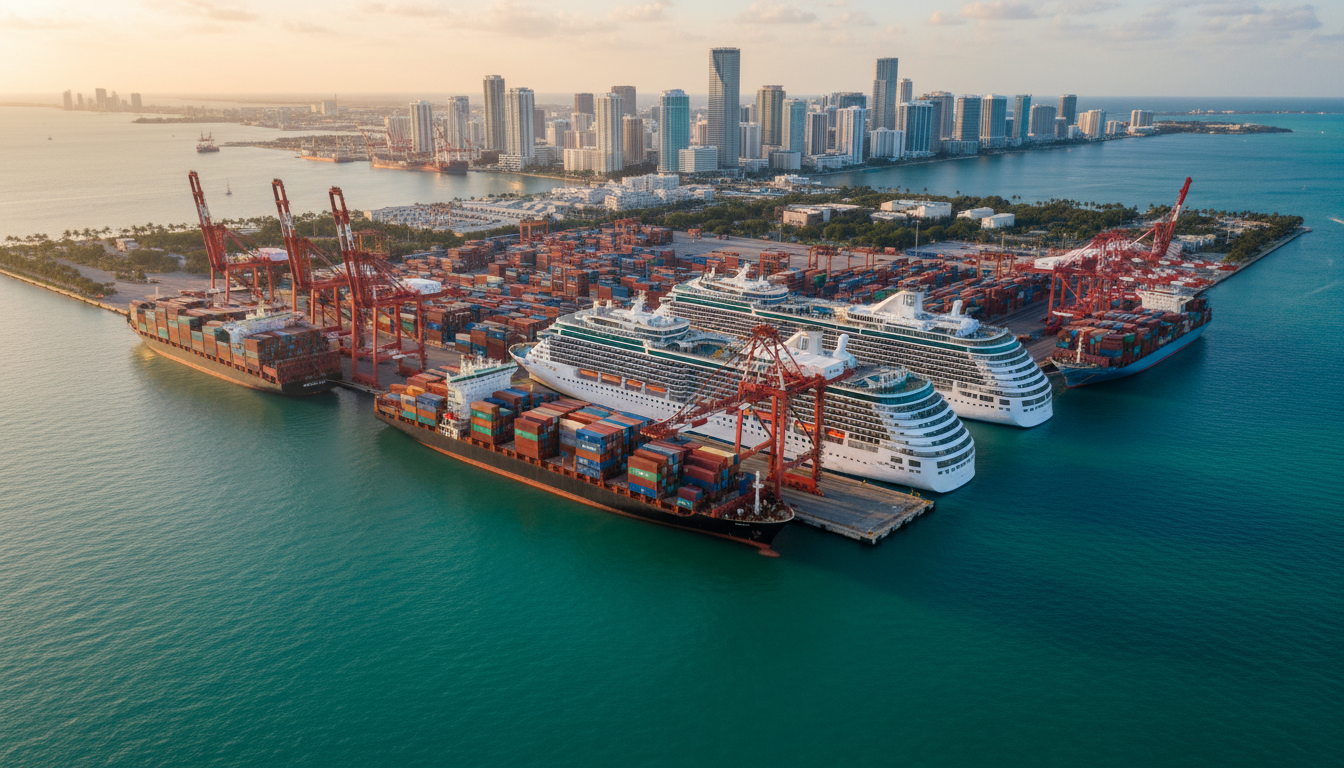
At Port Miami, daily demurrage charges can exceed $200 per container. Once the allowed free time expires, rates may increase significantly, sometimes reaching $500 or more per day depending on the shipping line.
For high-volume importers, these fees can accumulate quickly. A few delayed containers may result in thousands of dollars in charges within a single week.
Common causes of costly delays include:
- Limited availability of drayage carriers
- Terminal congestion during peak shipping periods
- Incomplete shipping documentation
- Delays in customs clearance
- Poor coordination between freight forwarders and trucking providers
Without a well-coordinated logistics strategy, demurrage expenses can quickly become a recurring operational cost.
Why Reliable Drayage Is Essential
Drayage is the short-distance transport of shipping containers between ports, warehouses, and distribution centers. Although the distance traveled is often short, drayage plays a critical role in keeping supply chains moving.
Reliable drayage providers help importers avoid delays by:
- Scheduling container pickups immediately after release
- Coordinating with port terminals and shipping lines
- Ensuring trucks and drivers are available when containers clear customs
- Moving freight quickly to warehouses or distribution facilities
When drayage operations are delayed, containers remain at the port, and demurrage charges begin accumulating.
Working with experienced logistics providers who specialize in port operations can significantly reduce these risks.
How ER Logistics Helps Importers Avoid Demurrage
ER Logistics helps importers reduce demurrage exposure through fast, coordinated drayage services from Port Miami and Port Everglades.
As a certified Bonded Carrier, ER Logistics can quickly retrieve containers once they are released by the port. This capability allows shipments to move immediately into the next stage of the supply chain.
The process typically includes:
- Rapid container pickup from port terminals
- Transportation of In-Bond freight under customs supervision
- Secure movement into ER Logistics’ supply chain network
- Delivery to the client’s warehouse or distribution center
By reducing delays at the port and coordinating container movements efficiently, importers can avoid costly demurrage fees and maintain a smoother logistics operation.
For companies managing international shipments through South Florida, proactive drayage planning and reliable bonded carriers are essential tools for protecting supply chain performance.