
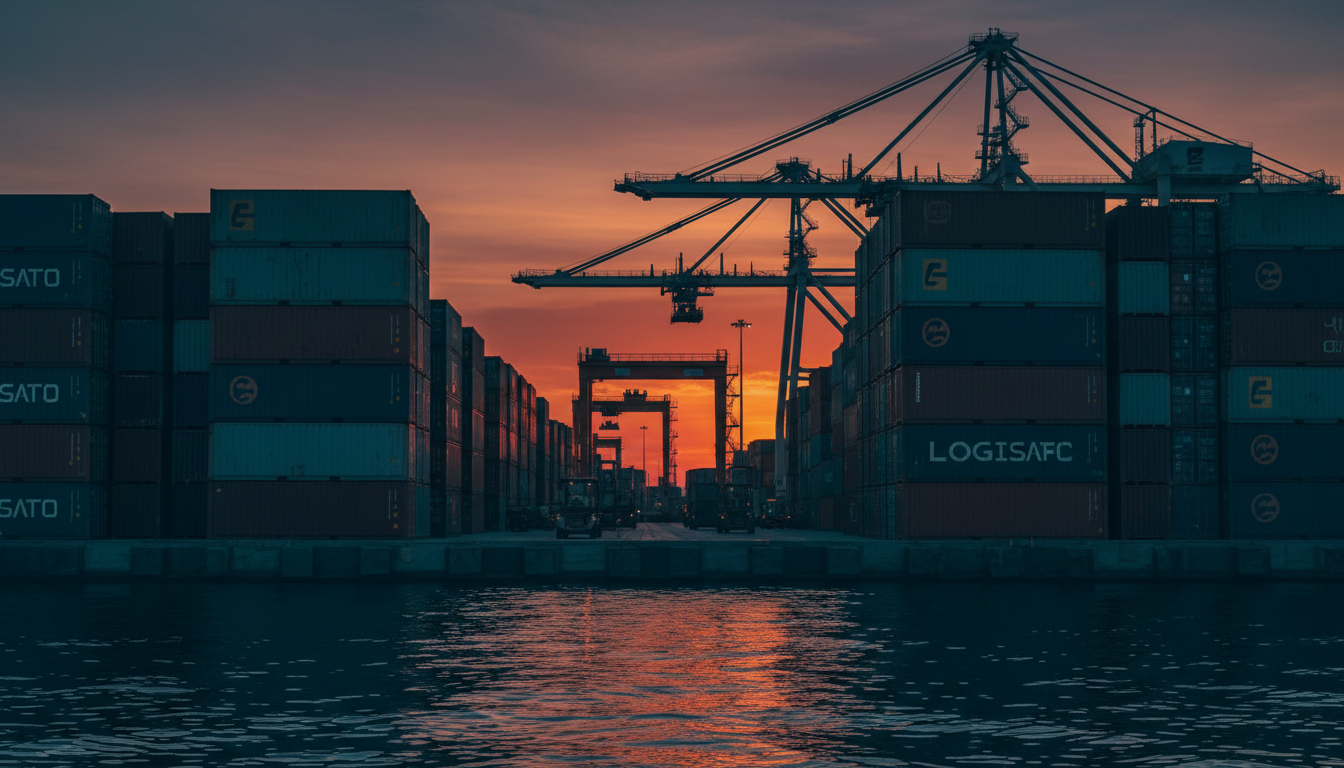
Miami’s Strategic Role in Global Trade
Miami has become one of the most important logistics hubs connecting the United States with Latin America and the Caribbean. Its geographic position places it directly between major trade routes that move food, consumer goods, and industrial products across the Americas. Companies that operate international supply chains often rely on Miami as their entry and distribution point. From here, shipments move efficiently to markets throughout Central America, South America, and the Caribbean.
Several factors drive this advantage. Direct maritime routes link U.S. ports with Latin American markets, while both seaports and airports provide high cargo capacity. The region also has a large ecosystem of freight forwarders, logistics providers, and customs brokers, supported by strong infrastructure designed specifically for cross-border trade. Because of these strengths, Miami plays a critical role in regional distribution strategies.
Port Miami and Port Everglades: Key Trade Gateways
South Florida’s ports handle a significant share of cargo moving between the United States and Latin America. Port Miami is widely known as the Cruise Capital of the World, but it also processes large volumes of containerized cargo. The port connects directly with shipping lanes serving the Caribbean and South America.
Port Everglades, located in nearby Broward County, is another major container port that supports regional trade. Together, these ports provide logistics companies with flexible options for import and export operations. Their advantages include direct access to major shipping lanes, modern container handling infrastructure, strong connectivity with highways and rail networks, and close proximity to Miami’s logistics and warehouse districts.
For companies importing goods from Latin America, these ports allow cargo to reach U.S. markets quickly while maintaining strong connections to regional distribution channels.
Miami International Airport Expands Supply Chain Speed
While seaports handle large volumes of cargo, Miami International Airport plays a major role in time-sensitive shipments. MIA is one of the busiest international cargo airports in the United States and specializes in high-value and perishable products such as seafood, produce, pharmaceuticals, and electronics.
Many Latin American exporters ship goods through Miami because it offers frequent cargo flights connecting major Latin American cities, specialized cold storage and handling facilities, rapid customs clearance capabilities, and direct connections to national distribution networks. This air cargo infrastructure allows companies to move urgent shipments within hours rather than days.
The Infrastructure Advantage of South Florida
Proximity to transportation hubs is essential for logistics efficiency. Companies operating warehouses near the ports can respond immediately when containers become available. This proximity reduces several common supply chain challenges, including port congestion delays, demurrage and detention charges, extended container dwell times, and slower inventory turnover.
By staging inventory near major ports, logistics providers can move goods quickly from vessel to warehouse and onward to final markets. Miami’s industrial areas—such as Doral, Medley, and Hialeah—have developed into major logistics corridors. These locations offer quick access to highways, ports, and airports, making them ideal for distribution operations.
How ER Logistics Leverages Miami’s Location
ER Logistics operates within this highly connected logistics ecosystem. With strategic facilities located in Miami’s industrial core, the company maintains direct access to Port Miami, Port Everglades, and Miami International Airport. This proximity allows ER Logistics to coordinate container movement immediately after release.
A key component of this system is bonded carrier drayage. This service allows containers to move directly from the port to secure facilities while remaining under customs bond. The benefits include same-day container pickup from port terminals, faster cargo processing and unloading, reduced demurrage costs, and greater supply chain visibility and control.
For companies importing goods from Latin America, these capabilities help maintain steady product flow and prevent costly delays.
Miami’s Future as a Supply Chain Hub
Trade between the United States and Latin America continues to grow each year. As companies expand sourcing and distribution across the Americas, Miami’s logistics infrastructure will play an even larger role. Investments in port expansion, cargo facilities, and warehouse development continue to strengthen the region’s position as a global trade gateway.
For businesses that depend on efficient cross-border logistics, Miami provides the infrastructure, connectivity, and expertise needed to keep supply chains moving.